


Space exploration has always represented one of humanity’s most remarkable achievements. From the historic Moon landing to advanced robotic missions on Mars, technological innovation has continuously expanded our understanding of the universe. Today, Artificial Intelligence (AI) is emerging as a powerful force in this ongoing journey. AI is helping scientists process enormous volumes of data, automate spacecraft operations, and make critical decisions in environments where human intervention is limited or impossible.
As space missions become more ambitious and travel farther from Earth, the importance of AI continues to grow. Whether it is enabling autonomous navigation, supporting robotic exploration, or accelerating scientific research, AI is transforming how we explore space and unlocking new possibilities for future discoveries.
Space missions operate under unique challenges, including vast distances, communication delays, and harsh environmental conditions. In many situations, human operators cannot directly control spacecraft in real time.
By enabling spacecraft and robotic systems to react independently, AI improves mission efficiency and helps ensure successful operations even when communication with Earth is delayed.
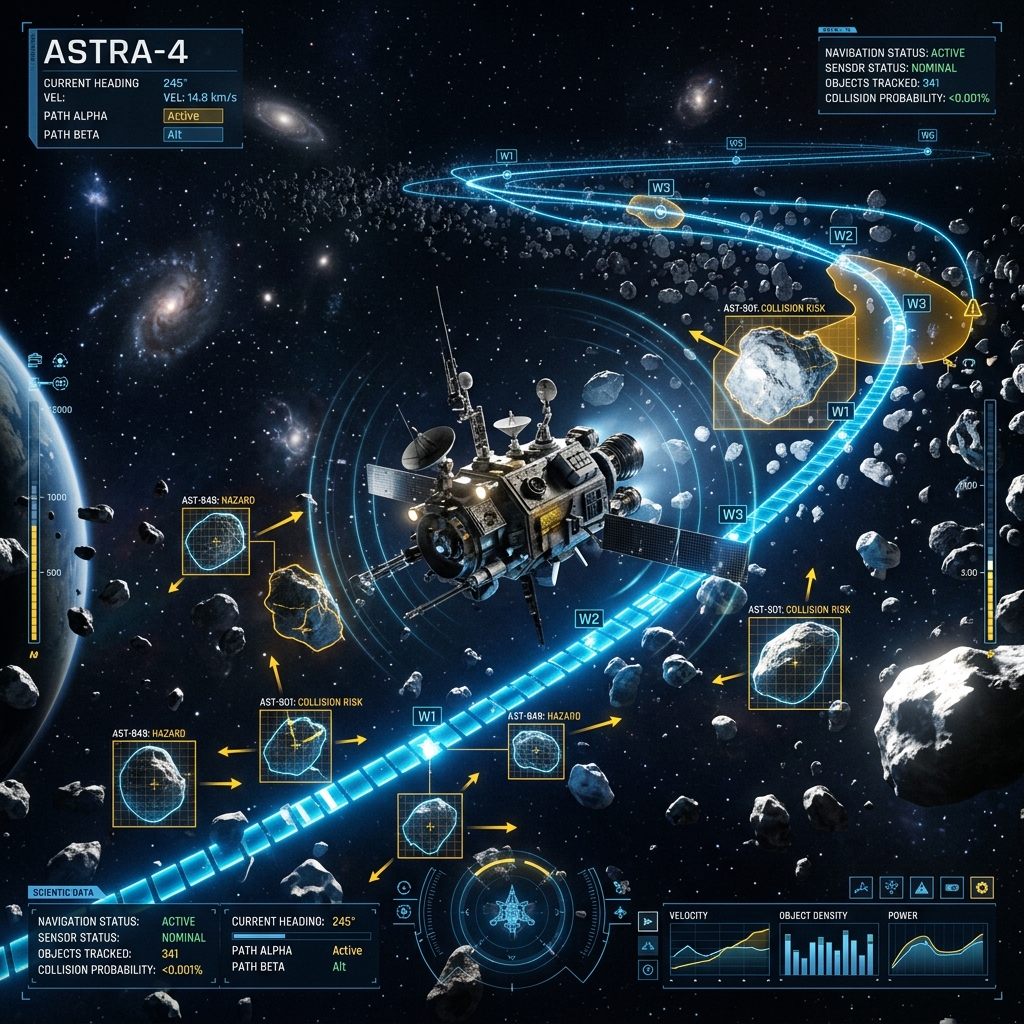
One of the most valuable applications of AI in space exploration is autonomous navigation. Spacecraft often travel millions of kilometers away from Earth, making instant communication impossible.
These capabilities allow spacecraft to operate with greater independence and efficiency throughout their missions.
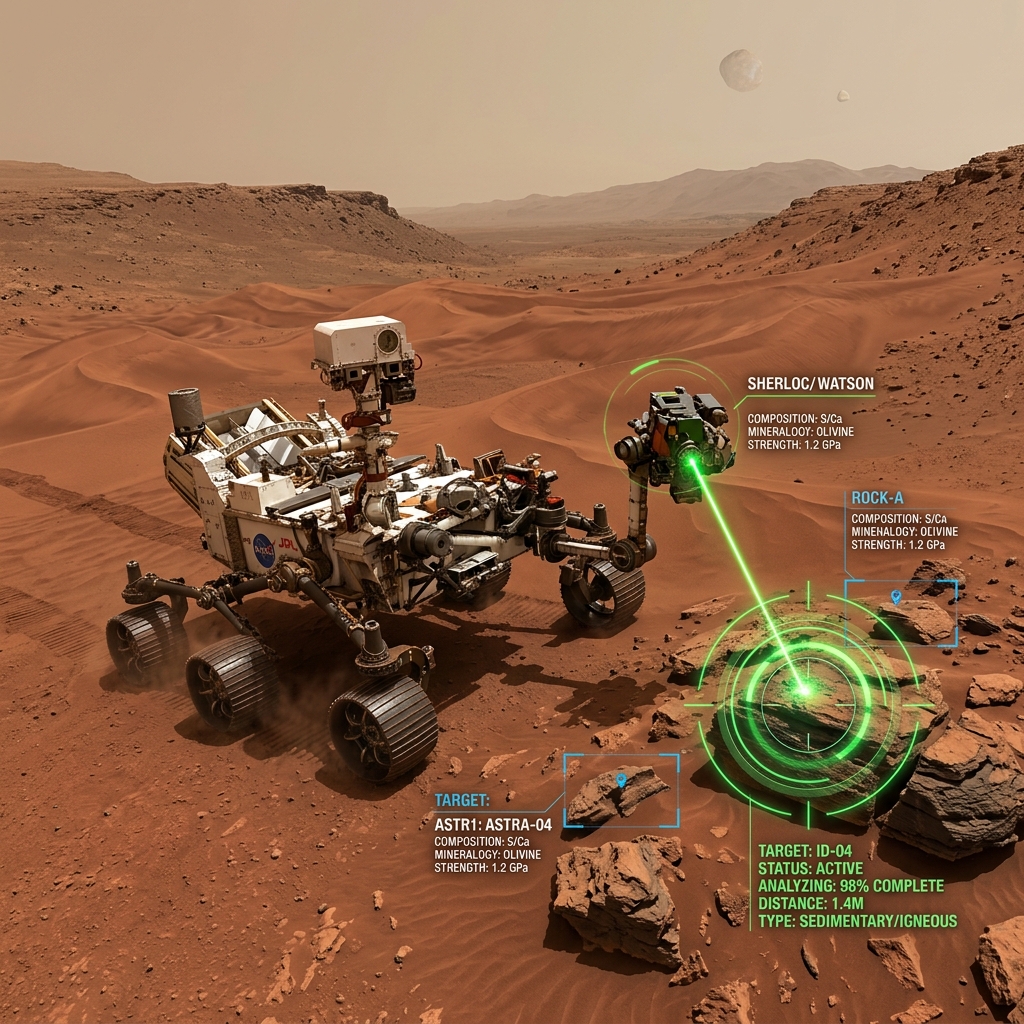
Robotic explorers on planets such as Mars rely heavily on AI to navigate unfamiliar environments and conduct scientific investigations.
Without AI assistance, many of these tasks would require constant instructions from Earth, slowing exploration significantly.
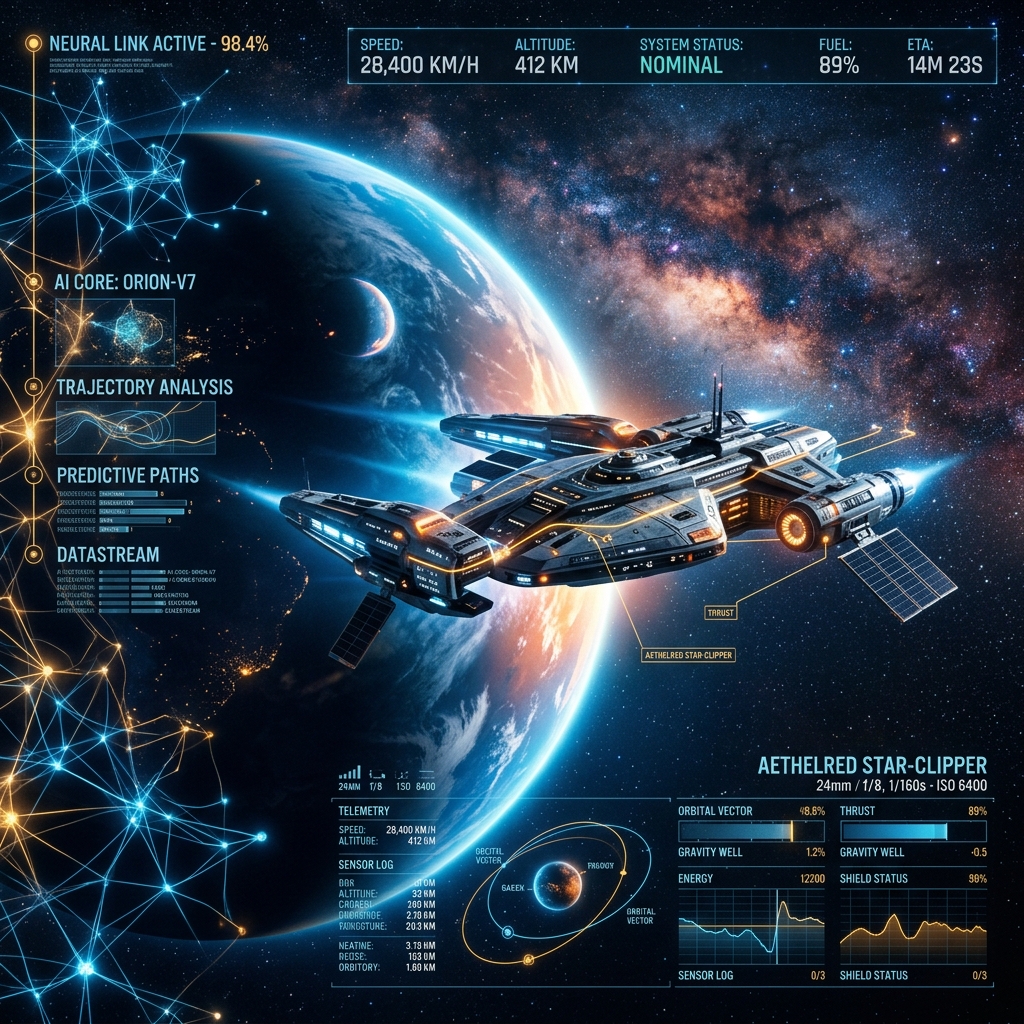
Modern satellites collect enormous amounts of information every day and perform a wide range of critical functions.
This improves reliability while reducing operational complexity and costs.
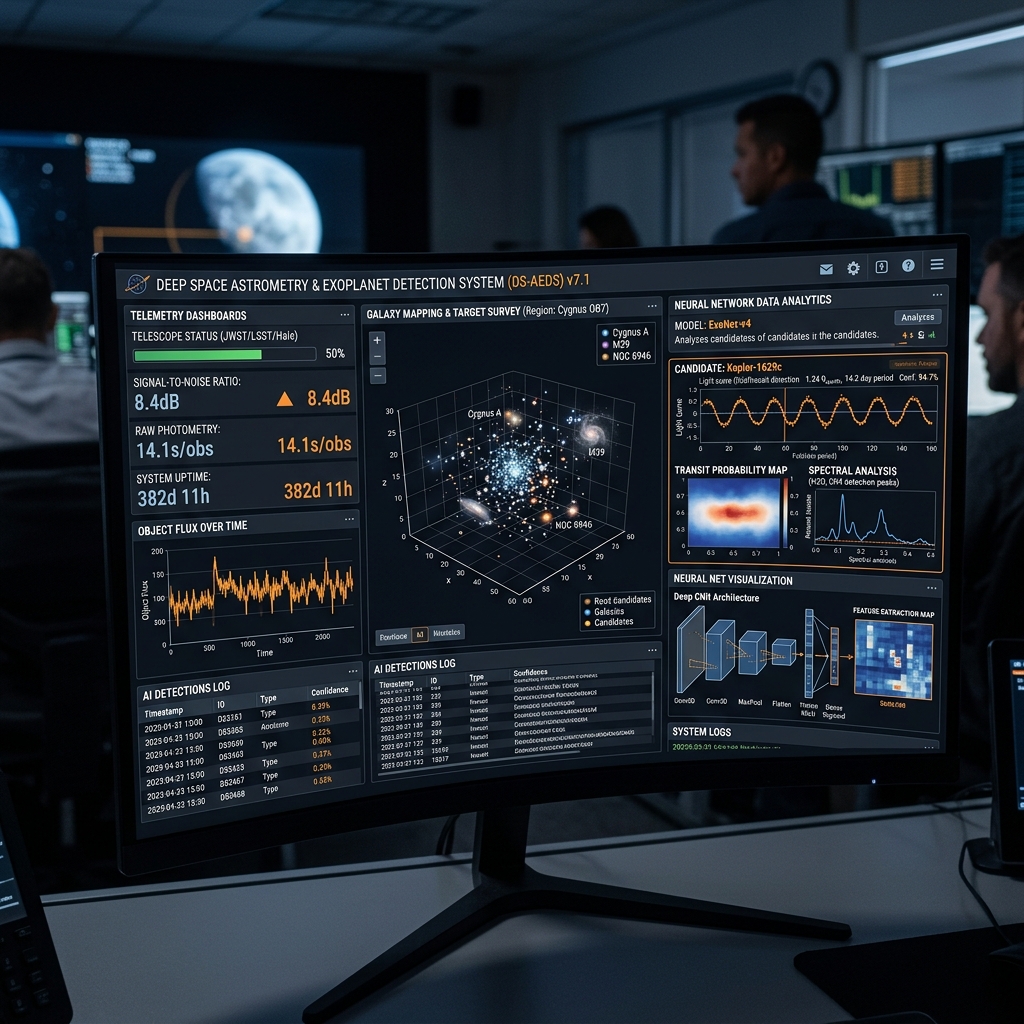
Space telescopes, satellites, and scientific instruments generate vast amounts of data that would be difficult and time-consuming for humans to analyze manually. AI helps researchers process this information more efficiently and uncover valuable insights.
Identifying PatternsMachine learning algorithms can identify patterns and relationships within large datasets that may not be immediately visible to human researchers.
Discovering New ObjectsAI can assist scientists in detecting:
These discoveries help expand our understanding of the universe and support future research efforts.
Improving Research EfficiencyBy automating repetitive data analysis tasks, AI allows scientists to focus more on interpretation, innovation, and discovery. This significantly speeds up research processes and increases scientific productivity.
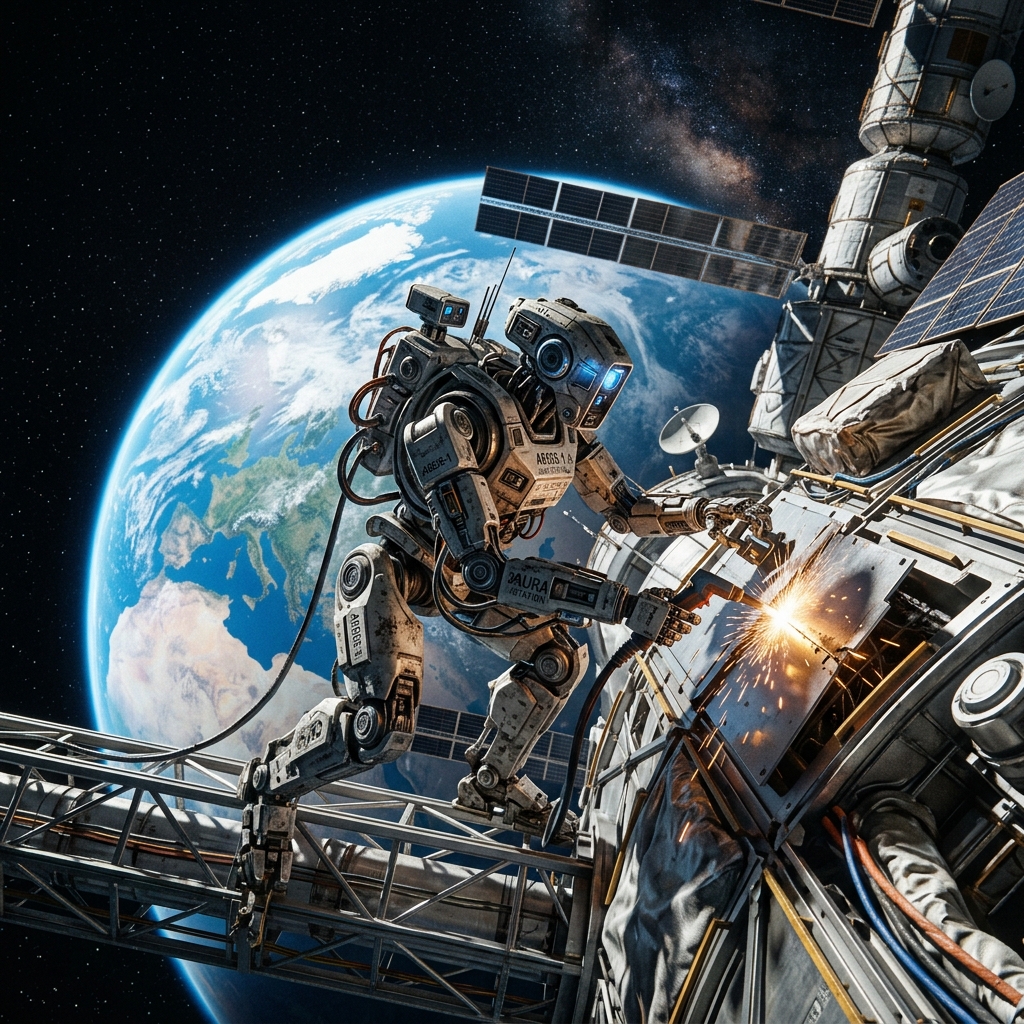
Robots are becoming increasingly important in modern space missions, especially in environments that may be dangerous for human astronauts.
These intelligent systems help reduce risks, improve mission outcomes, and expand the range of activities that can be performed in space.
Future missions to distant planets and moons are expected to rely heavily on advanced robotic technologies powered by AI.
These advantages make AI an essential component of modern and future space exploration efforts.
Although AI offers many benefits, several challenges must still be addressed.
Overcoming these challenges will be crucial for the successful integration of AI into future space missions.
The future of space exploration is closely tied to the continued advancement of AI technologies.
In the coming years, AI may play a major role in:
As AI systems become more advanced, they will help scientists and engineers tackle challenges that were once considered impossible.
Many experts believe that future interplanetary missions would be significantly more difficult without the support of advanced AI technologies.
One of the most exciting possibilities for AI in space exploration is its potential role in the search for life beyond Earth. AI systems can analyze enormous amounts of space-related data and identify unusual patterns that may indicate biological activity.
Scientists are using AI to:
These capabilities could dramatically improve our chances of discovering evidence of life elsewhere in the universe.
Artificial Intelligence is transforming space exploration by enabling autonomous navigation, intelligent robotics, advanced data analysis, and faster decision-making. As missions become increasingly ambitious, AI will continue to help scientists and engineers overcome the challenges of exploring distant worlds and deep space environments.
Rather than replacing human expertise, AI serves as a powerful partner that enhances our ability to understand and explore the universe. From supporting Mars missions to assisting in the search for extraterrestrial life, AI is shaping the future of space exploration and bringing humanity closer to uncovering the mysteries of the cosmos.
Answers to the questions businesses ask us before going live