


The rapid growth of AI-powered coding tools has naturally raised concerns among developers and aspiring engineers. Today’s AI systems can generate code, identify bugs, create documentation, and even build simple applications from written instructions. Because of these capabilities, many people wonder whether software engineering jobs could eventually be automated.
Several reasons contribute to this concern:
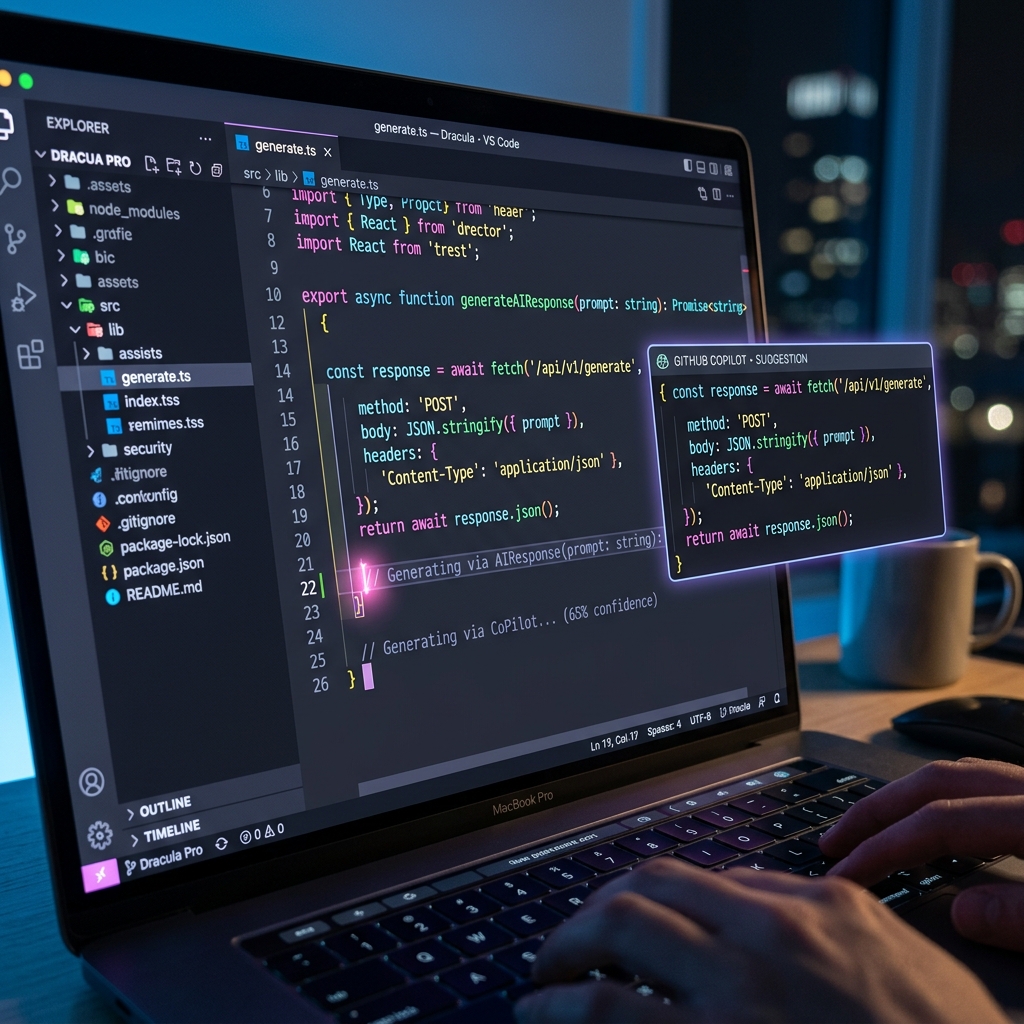
AI is already having a significant impact on how software is developed and maintained. Instead of replacing engineers, it is helping them work smarter and more efficiently.
Programming Skills:-Programming is one of the most important foundations in AI. Python is the most widely used programming language in the AI industry because it is simple, powerful, and beginner-friendly.
Code Generation:-Modern AI tools can generate functional code from simple instructions. Developers can describe what they need, and AI can provide a working solution within seconds. This allows engineers to focus more on design, architecture, and problem-solving.
Automated Testing:-Testing is a critical part of software development, but it can often be repetitive and time-consuming. AI can generate test cases, identify potential issues, and improve testing coverage, helping teams deliver more reliable software.
Bug Detection and Debugging:-Debugging can consume a significant portion of a developer’s time. AI-powered tools can analyze code, highlight potential errors, and recommend fixes, making the debugging process faster and more efficient.
Documentation Support:-Many development teams struggle to keep documentation up to date. AI can assist by generating technical documentation automatically, helping improve collaboration and project maintainability.
Productivity Enhancement:-By handling repetitive and routine tasks, AI enables software engineers to focus on higher-value activities such as innovation, planning, and solving complex technical challenges.
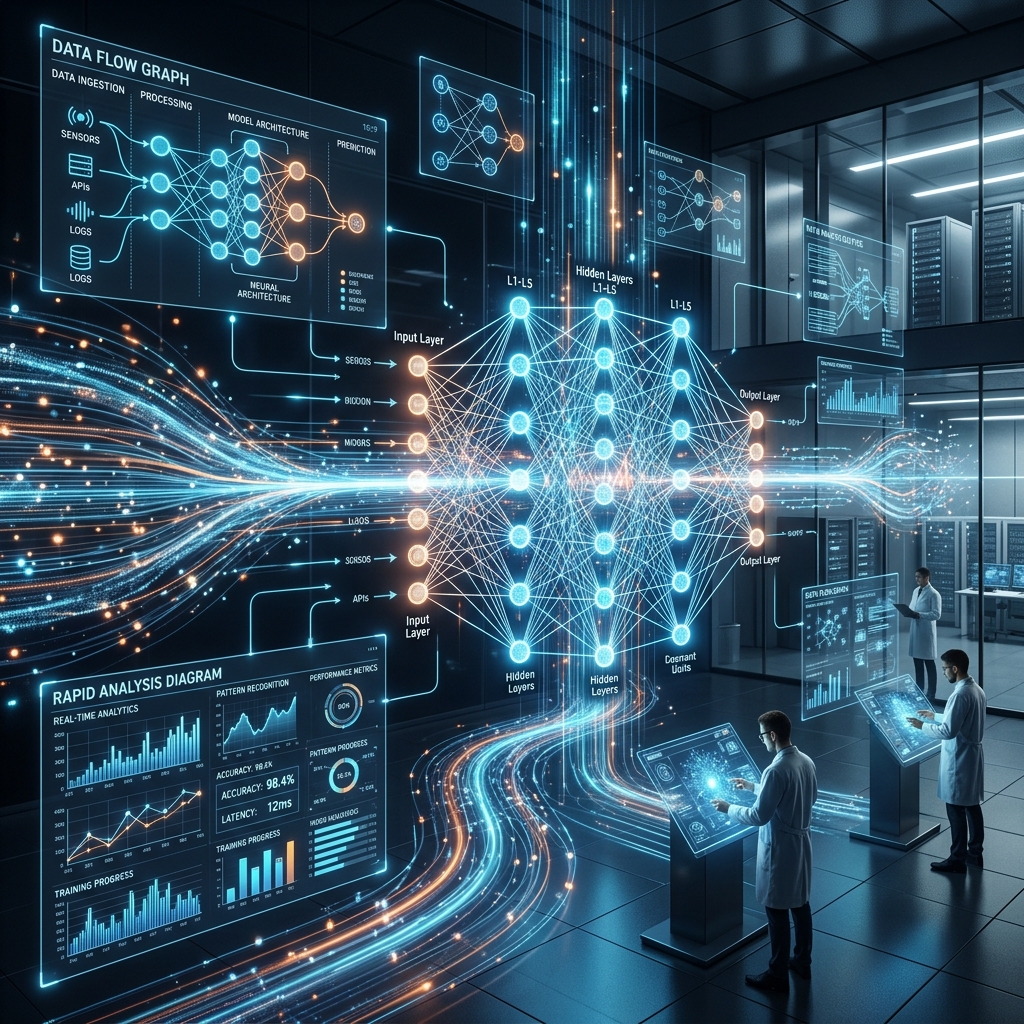
AI offers several advantages when performing specific software development tasks. While it cannot replace human creativity and decision-making, it excels at handling repetitive, data-intensive, and time-consuming activities with remarkable speed and accuracy.
Processing Large Amounts of Data:-AI can review and analyze millions of lines of code much faster than a human developer. It can identify patterns, detect anomalies, and uncover insights within a short period, helping teams improve software quality.
Repetitive Tasks:-Routine activities such as code formatting, documentation generation, and test execution can be automated effectively using AI. This reduces manual effort and allows developers to focus on more valuable tasks.
Pattern Recognition:-AI is highly effective at recognizing coding patterns and suggesting improvements based on previous examples and training data. It can recommend best practices and optimize code for better performance and maintainability.
Speed and Efficiency:-AI can generate solutions rapidly, helping developers save time and improve overall productivity. Faster development cycles enable teams to build, test, and deploy software more efficiently.
These strengths make AI an excellent assistant, but they do not eliminate the need for skilled software engineers. Human creativity, critical thinking, communication, and problem-solving remain essential for building innovative and reliable software.

Despite its growing capabilities, AI still has important limitations that prevent it from fully replacing human developers. Many aspects of software development require human intelligence, creativity, and collaboration that AI cannot replicate.
Creativity and Innovation:-Software engineering often involves creating entirely new solutions to unique problems. Human creativity remains a key factor in developing innovative products, designing user-focused experiences, and solving complex challenges.
Understanding Business Requirements:-Developers frequently interact with clients and stakeholders to understand business goals and translate them into technical solutions. AI lacks the human understanding, empathy, and communication skills required for this process.
Critical Thinking:-Real-world software projects often present unexpected challenges. Engineers use reasoning, judgment, and experience to evaluate different solutions and make informed decisions that AI cannot fully replicate.
System Architecture Design:-Designing large-scale applications requires long-term planning, scalability considerations, security, and architectural expertise. These responsibilities continue to rely heavily on experienced software engineers.
Human Communication:-Software development is a collaborative effort involving designers, managers, clients, and users. Effective communication, teamwork, and leadership are essential skills that AI cannot replace.
The future of software development is likely to be built on collaboration between humans and AI rather than competition. AI can manage repetitive and time-consuming tasks, while software engineers focus on creativity, innovation, and strategic decision-making.
For example, a developer may use AI to create an initial version of a feature and then refine, optimize, and customize it according to project requirements. This approach enables teams to deliver high-quality software faster without sacrificing innovation.
Organizations that effectively combine human expertise with AI-driven tools are likely to gain a significant competitive advantage by improving productivity, software quality, and overall development efficiency.
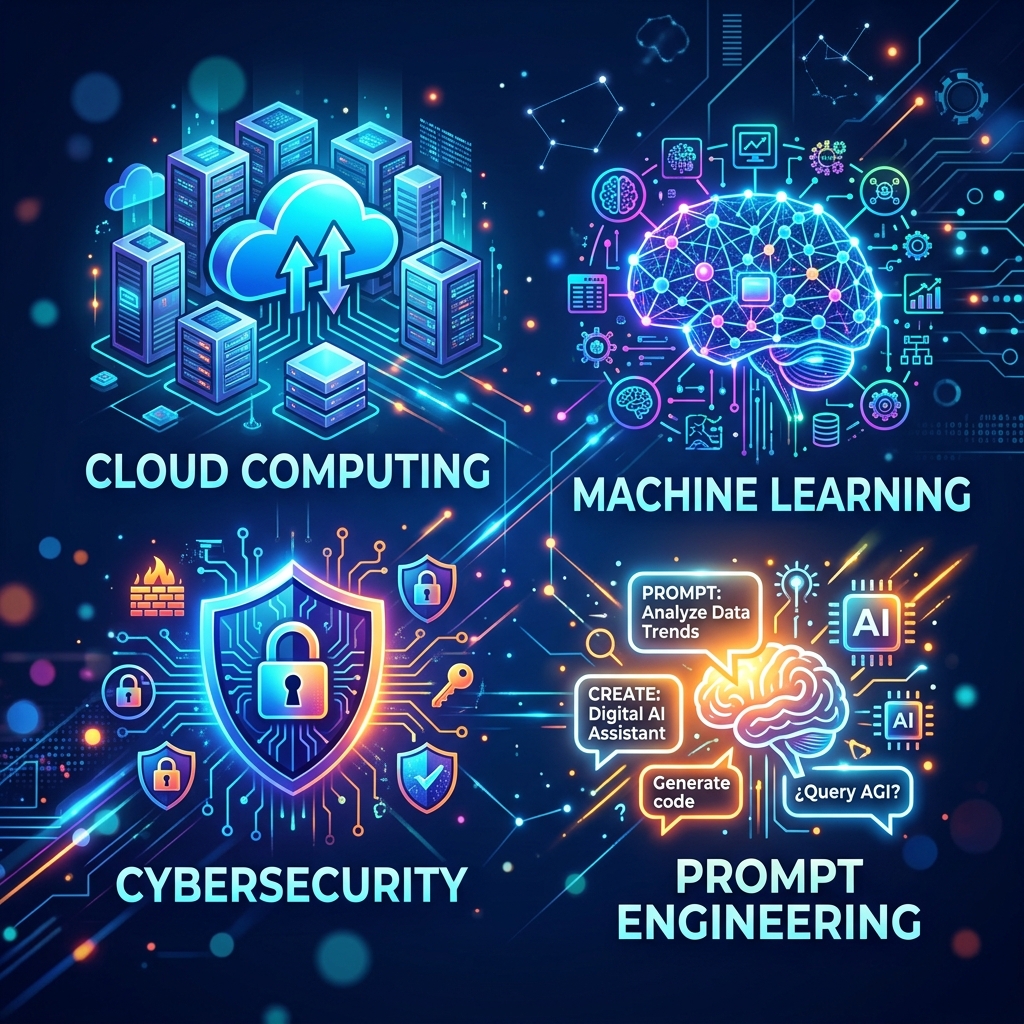
As AI becomes increasingly integrated into development workflows, software engineers should focus on building skills that complement these technologies. Developing both technical expertise and problem-solving abilities will help professionals stay competitive in the evolving software industry.
AI and Machine Learning Fundamentals:-A basic understanding of AI and machine learning concepts will help developers work more effectively with AI-powered tools, automate workflows, and build intelligent applications.
Prompt Engineering:-Knowing how to communicate clearly with AI systems is becoming an increasingly valuable skill. Well-crafted prompts help developers generate better code, documentation, and solutions from AI assistants.
Cloud Computing:-Cloud technologies remain at the center of modern software infrastructure. Learning platforms such as AWS, Microsoft Azure, and Google Cloud can improve career opportunities and support scalable application development.
Cybersecurity:-As digital systems become more advanced, protecting applications, networks, and user data remains a critical priority. Understanding cybersecurity best practices is essential for every software engineer.
System Design:-The ability to design scalable, reliable, and maintainable software systems will continue to be highly valued. Strong system design skills enable engineers to build applications that perform efficiently as they grow.
Problem-Solving and Critical Thinking:-Human reasoning, creativity, and decision-making remain among the most important skills in software engineering. These abilities help developers solve complex problems and create innovative solutions that AI cannot replace.
By 2030, AI is expected to become even more advanced and capable than it is today. However, most industry experts believe that AI will not completely replace software engineers. Instead, it will reshape the profession and change the way software is developed.
Routine coding tasks such as code generation, testing, debugging, and documentation may become highly automated, reducing the amount of manual effort required. This will allow developers to focus more on innovation, system architecture, and solving complex business problems.
At the same time, new career opportunities will continue to emerge in fields such as artificial intelligence, machine learning, cybersecurity, cloud computing, data engineering, and advanced system design. These areas will require skilled professionals who can combine technical knowledge with practical experience.
Developers who embrace AI and learn how to work alongside intelligent tools will be in the strongest position to succeed. Rather than replacing software engineers, AI is expected to become a powerful assistant that improves productivity, enhances software quality, and accelerates development.
The future will favor professionals who continuously learn new technologies, adapt to changing industry trends, and use AI to complement their creativity, critical thinking, and problem-solving skills.
Find answers to the most common questions about AI and software engineering.
The debate about whether AI will replace software engineers is likely to continue as technology evolves. While AI can automate many aspects of software development, it cannot replace the creativity, critical thinking, communication skills, and problem-solving abilities that human engineers bring to every project.
Rather than serving as a replacement, AI is becoming a valuable partner that helps developers work more efficiently, improve software quality, and innovate faster. By automating repetitive tasks, AI allows engineers to focus on designing scalable systems, solving complex problems, and delivering greater value to users.
The future of software development is not about humans competing with AI—it is about humans and AI working together to create smarter, more efficient, and more innovative solutions. Developers who continuously learn new technologies and embrace AI-powered tools will be well-positioned for success in the years ahead.